


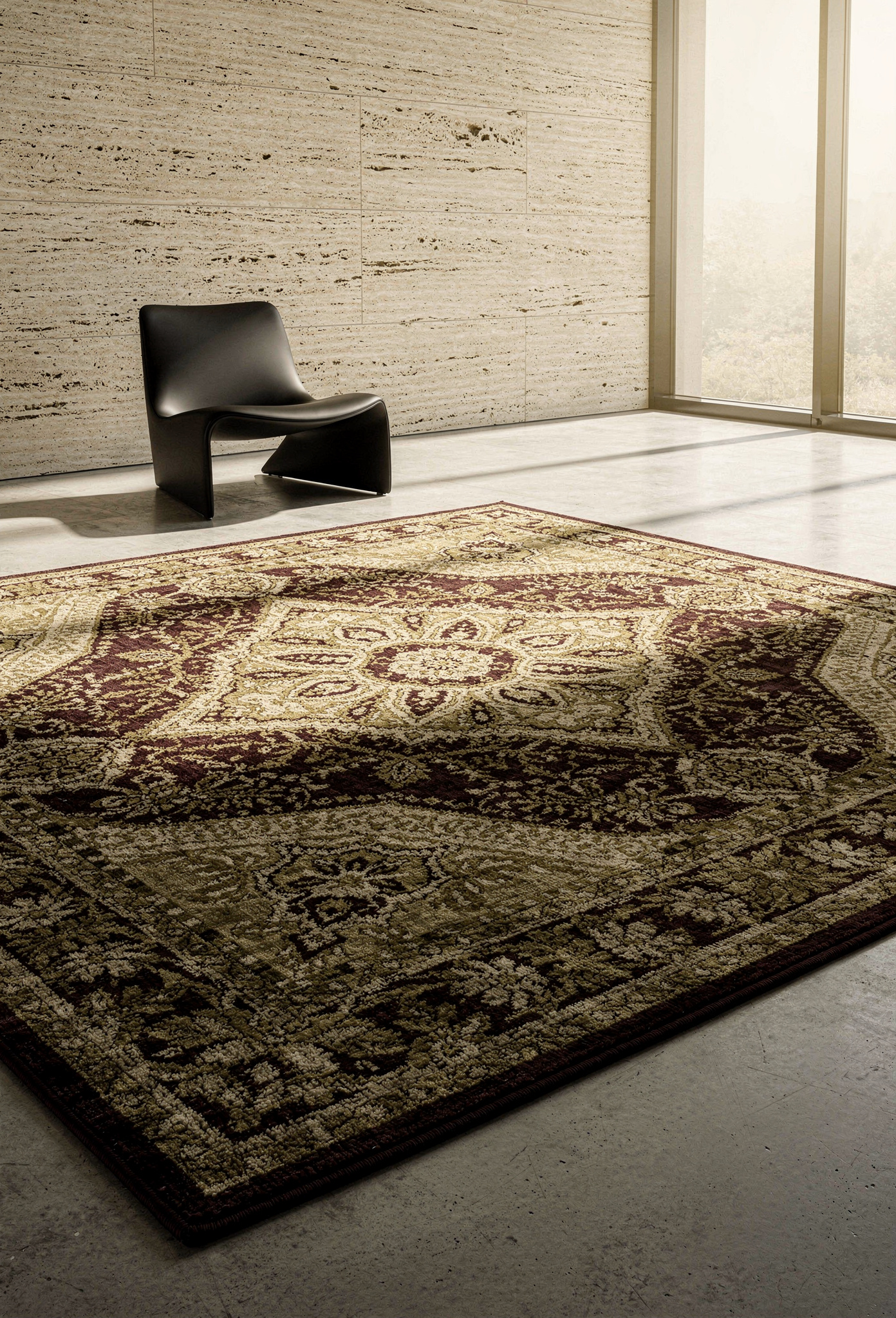
I — THE CLASSICS
The Classics
Heritage Underfoot. Luxury Reimagined.
Explore
Heritage Underfoot. Luxury Reimagined.
Explore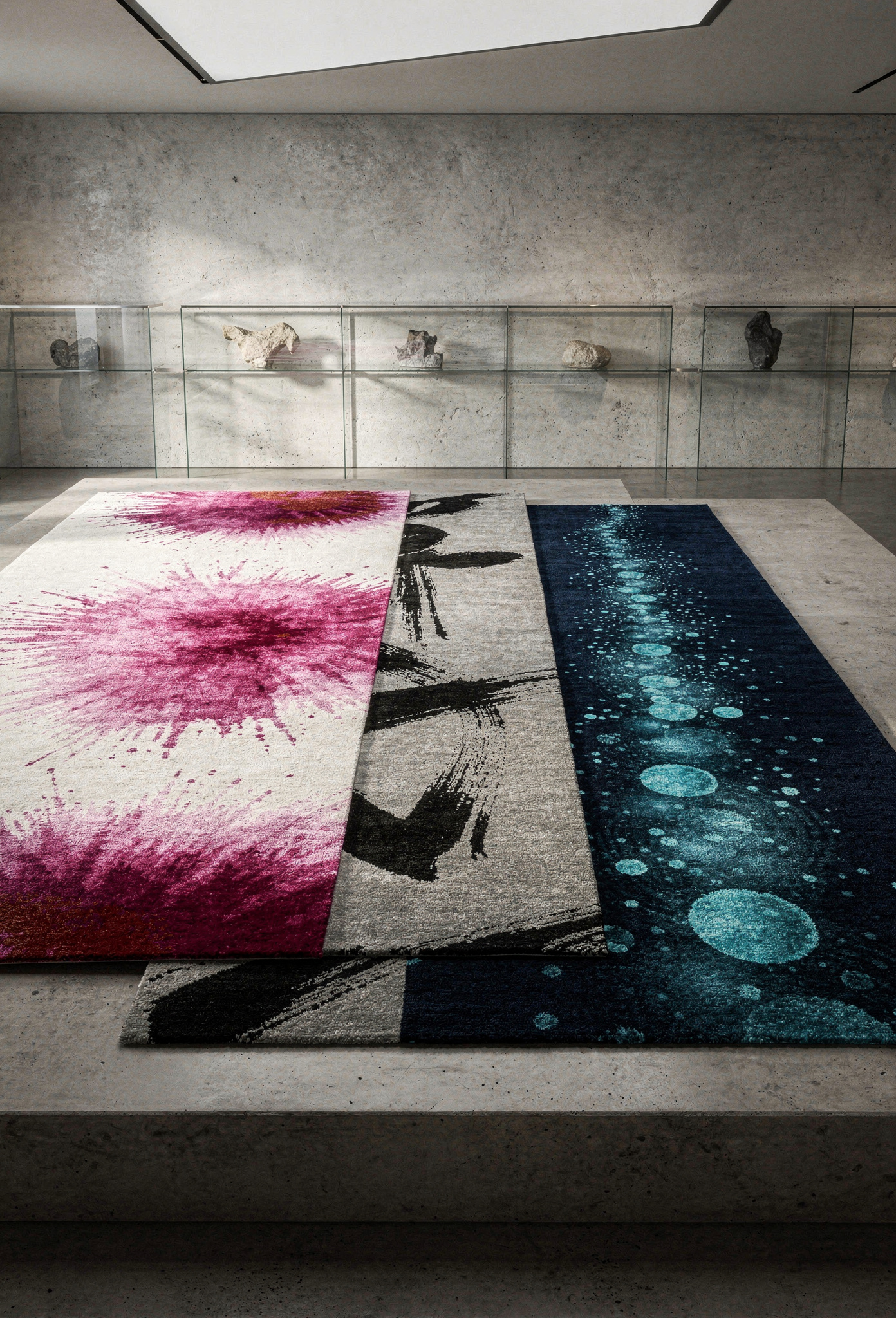
Art Unbound. Expression Underfoot.
Explore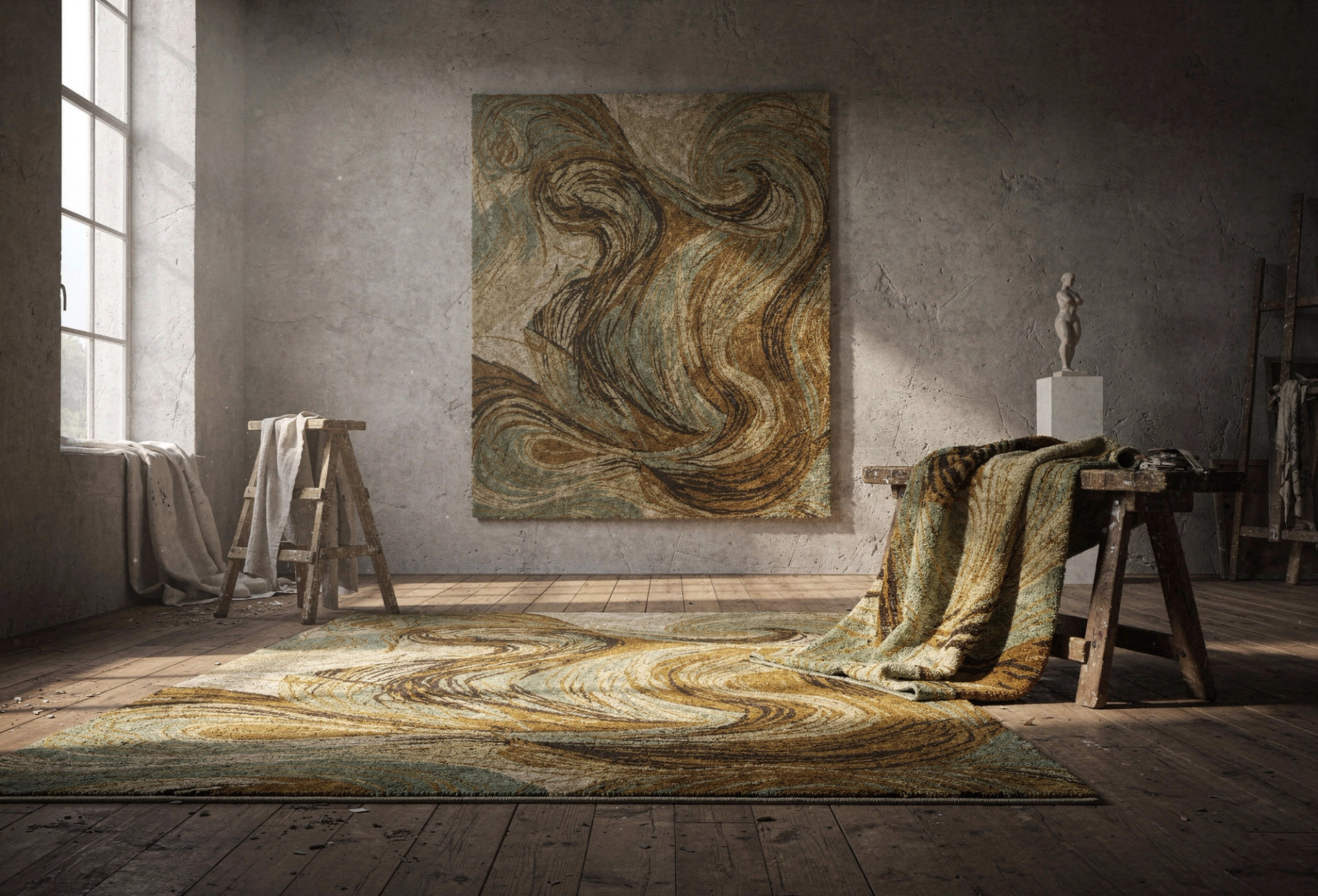
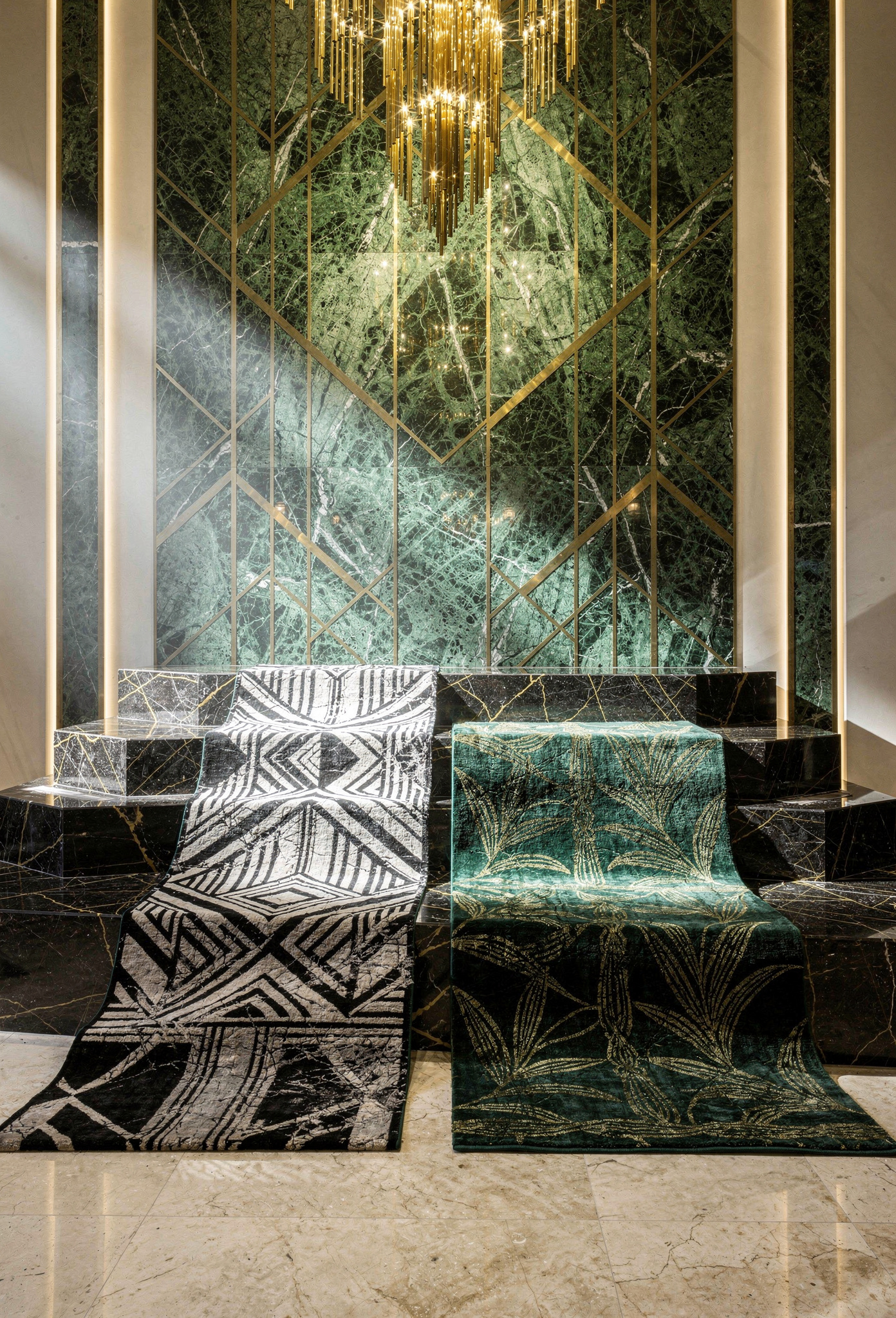
Bold Geometry. Timeless Glamour.
Explore
The Courtly Elegance of Royal India, Woven for Sophisticated Spaces.
ExploreEach Carpetstory piece is woven by a single artisan, signed by hand, and travels from one room in Jaipur to another, anywhere in the world.
In 2012 our hand-knotted rugs were showcased at Domotex in Hannover — the world’s leading trade fair for carpets and floor coverings, featured on Fashion TV. We had the biggest carpet showcase there, and our key collection was Shalimar.
hand-tied knots in an 8 × 10 ft piece.
Up to 0 knots in our finest weaves.
Imported from highland sheep in New Zealand, where the wool is long-fibered, lanolin-rich, and naturally lustrous. Hand-spun, never machine-carded.
Mulberry silk imported from China. Used as accent threads in the field, where it catches light differently across the day. Reserved for the finer weaves.
The warp. The architecture beneath the pile. Long-staple cotton imported from various parts of India, twisted to a density that holds the knots for a hundred years if cared for.
Every colour in a Carpetstory piece begins as a plant, ground or boiled or fermented, then dipped, dried, and dipped again until the wool refuses any more.
2001. Carpetstory began as a family export house in Jaipur: looms, dye vats, and a ledger of orders from houses that never asked our name. We wove for others first. It taught us everything about how a rug should be made, and nothing about how it should be signed.
2012. By then our rugs had reached more than thirty countries. At Domotex Hannover, the world's leading carpet fair, we staged the biggest carpet showcase of the fair with the Shalimar collection; Fashion TV filmed it. We came home knowing the work could stand anywhere.
Today. The atelier works under its own name now. One artisan to one rug, six to ten months on the loom, madder and indigo and walnut in the vats. The next chapter is authorship: pieces signed by the hand that tied the knots. The madder red is still exactly the same.
Carpetstory began in 2001 as a family export house. I grew up around it, and somewhere along the way I noticed the world had stopped looking at the floor.
Carpetstory is a small attempt to make people look down again. Not at the rug — at the eight months it took, and the hands that took them.
AashritTell us about the room, the light, the way the day moves through it. We'll suggest a piece, or commission a new one.
Trade pricing, full collection access, project samples, and a dedicated point of contact for specification.


